

Kitchen Safety
Tablevia Kitchen Guide · Kitchen Safety
A safer kitchen starts with calm, considered habits.
Everyday cooking becomes easier to manage when the worktop is clear, tools have a place and attention stays on the task at hand. A few simple routines can help create a more controlled kitchen from preparation through serving.
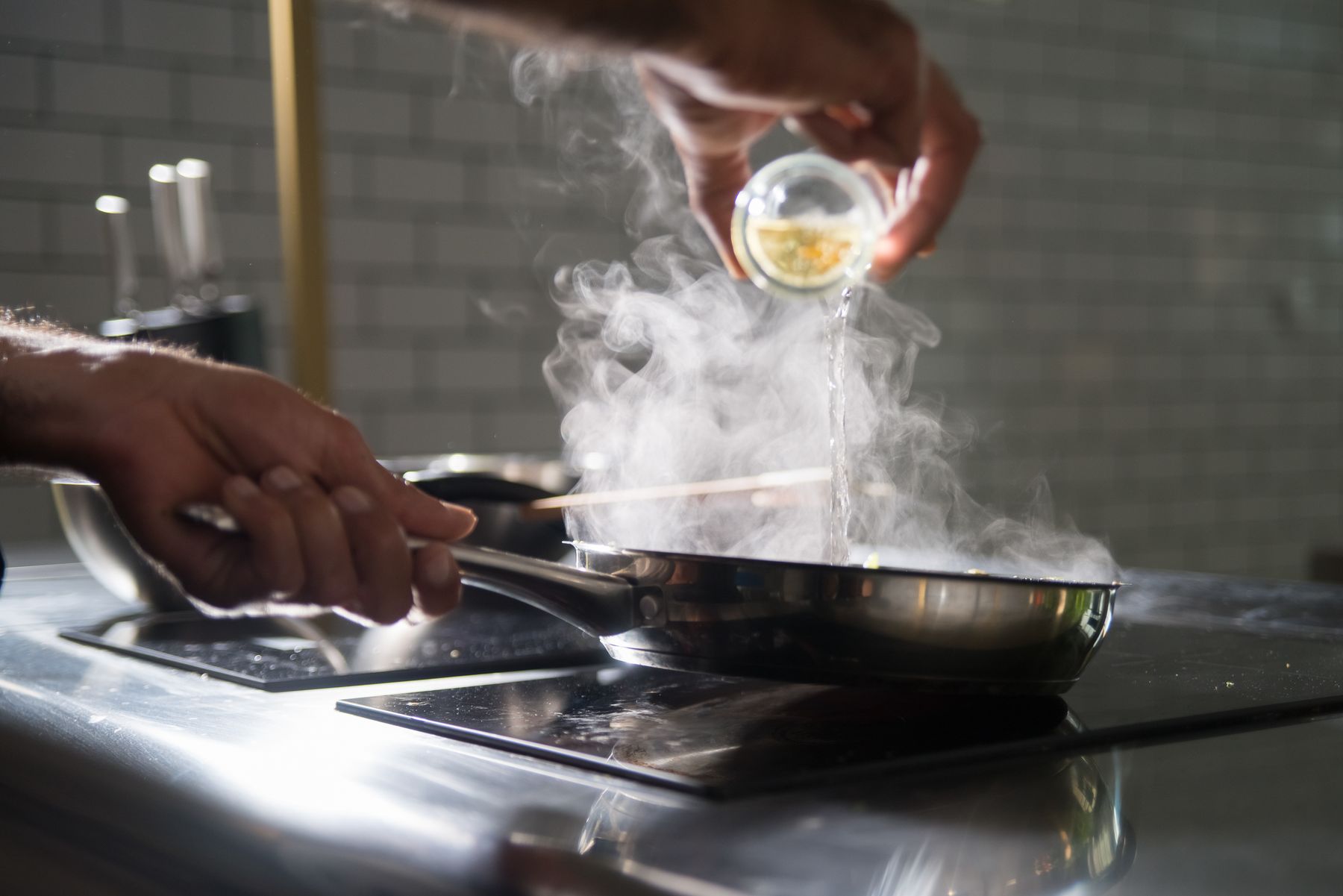
01 · Everyday Awareness
Keep the environment simple enough to see what needs your attention.
Kitchen safety is often supported by organization. Dry work surfaces, stable cutting boards, clear handles and thoughtfully placed utensils reduce unnecessary movement and make each stage of cooking easier to follow.
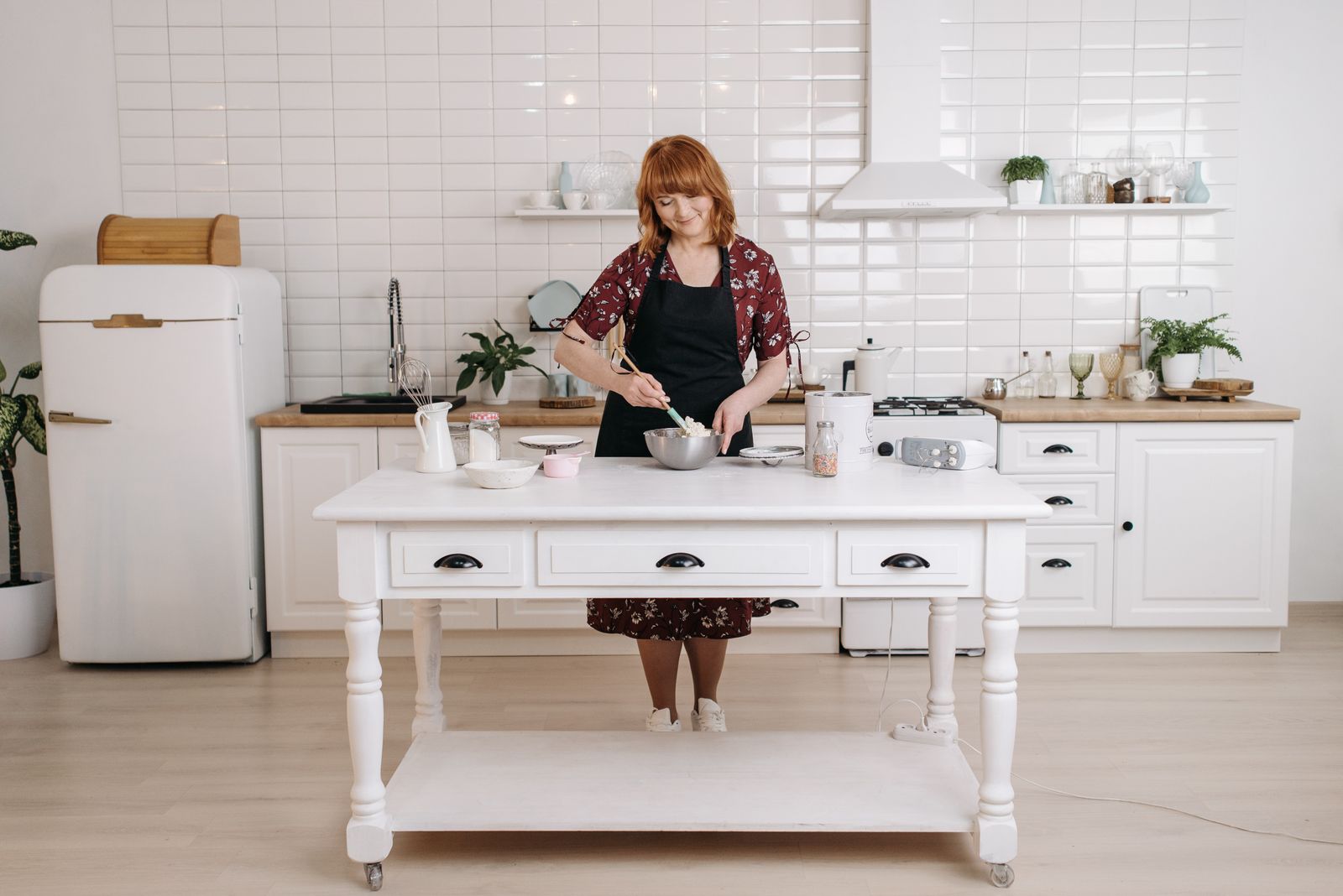
Practice 01 · Clear Space
Start with a stable, uncluttered work surface.
Give cutting boards, bowls and utensils enough room. Move packaging, unused tools and spills away from the active preparation area as you go.
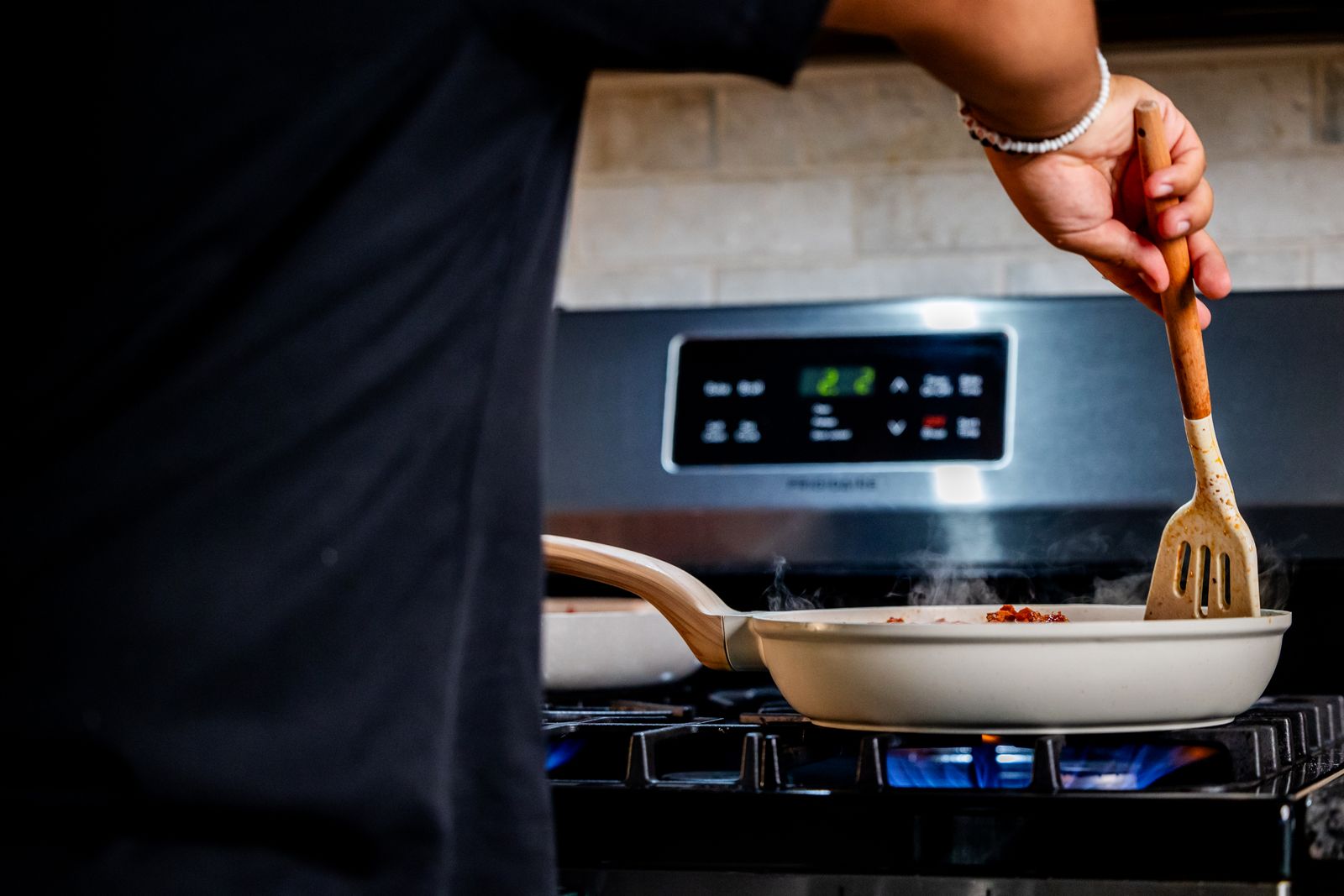
Practice 02 · Manage Heat
Keep handles, utensils and attention within easy reach.
Position cookware so handles do not project into busy walkways. Keep appropriate utensils nearby and stay attentive whenever a burner, oven or hot pan is in use.
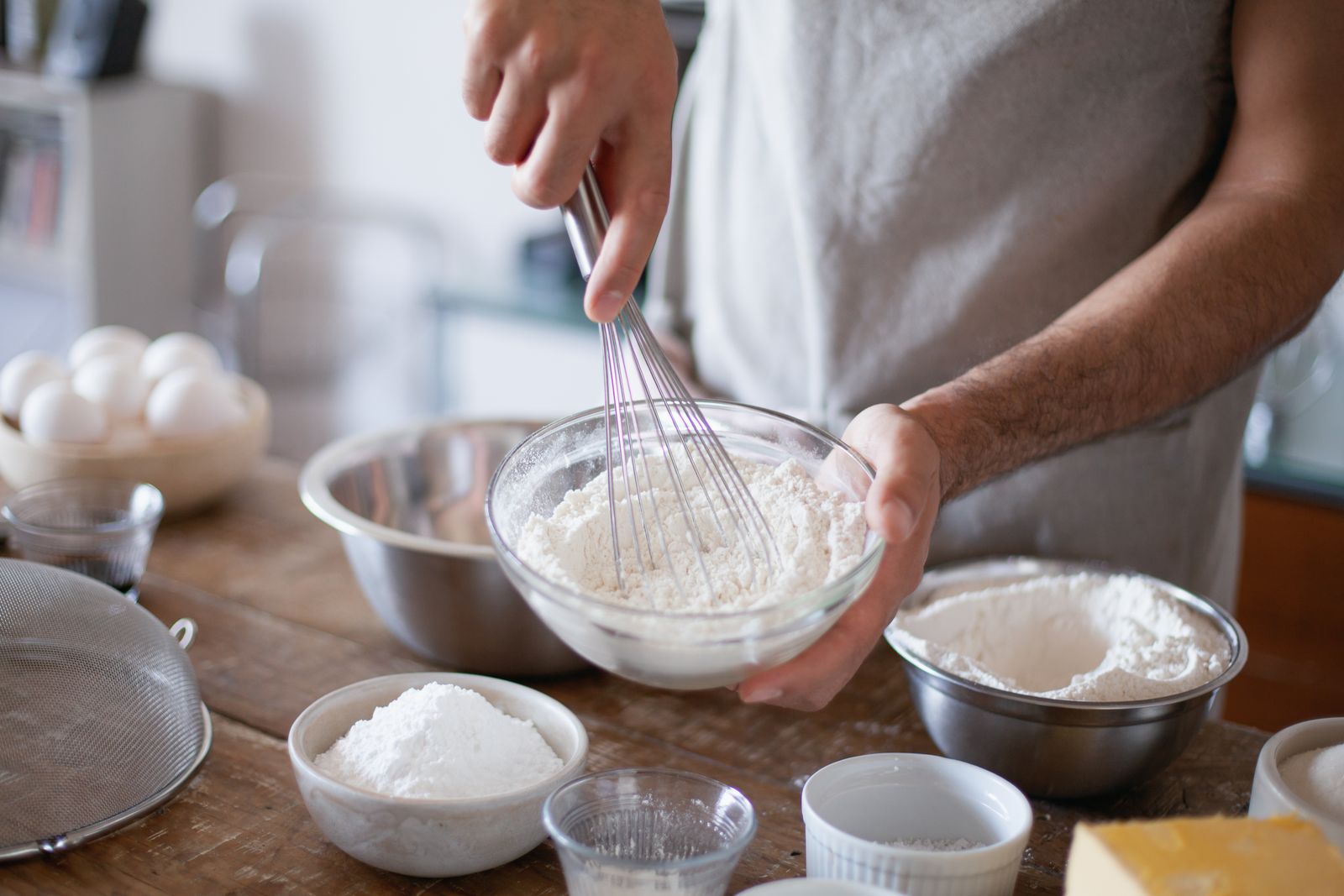
Practice 03 · Use Tools Deliberately
Choose the right tool and give it a secure place.
Use stable boards for cutting, appropriate utensils for hot cookware and heat protection when handling warm surfaces. Place tools down where they can be seen rather than hidden beneath towels or ingredients.

Practice 04 · Move with Care
Make space before carrying hot cookware or serving dishes.
Clear the route from stove to worktop or table before lifting a hot pan or serving piece. Use a secure grip and avoid carrying more than you can comfortably control.

The Cooking Zone
Keep the area around heat simple and predictable.
A well-arranged stovetop area reduces unnecessary reaching and helps keep attention on active cookware. Before turning on the heat, make sure the tools you expect to use are already nearby.
Before You Begin
A simple kitchen safety check.
A short visual check before cooking can make the entire process calmer. The goal is not complexity, but a kitchen where each tool, surface and movement has enough room.
Clear the floor and worktop
Remove items that may interfere with preparation or movement around the cooking area.
Stabilize your preparation area
Make sure boards, bowls and other preparation pieces sit securely before use.
Arrange the tools you need
Place utensils, heat protection and serving pieces within comfortable reach.
Create a clear path
Make sure you have an unobstructed route before moving hot cookware or carrying dishes.
Clean as you progress
Return tools when finished and address spills before they become part of the next task.
Thoughtful Everyday Cooking
A well-organized kitchen supports a more considered way to cook.
From stable preparation surfaces to practical heat protection and thoughtfully placed tools, everyday kitchen essentials can help keep preparation, cooking and serving clear and manageable.